
Start with a clear budget and a scoped plan, then prioritize high‑value upgrades like kitchens and baths that boost resale and daily use. Do quick, low-cost wins first—neutral paint, updated lighting, and durable finishes—while sealing the envelope and improving insulation for efficiency. Get detailed bids, verify licenses, and set a contingency of 10–15%. Schedule work to match cash flow, lock in prices, and track every line item. If you keep going, you’ll uncover how to optimize costs even further.
Key Takeaways
- Define a clear scope and budget early, with fixed vs. flexible items and a 10-15% contingency for surprises.
- Prioritize high-value, low-cost updates (paint, lighting, fixtures) that boost appeal and efficiency.
- Get detailed bid estimates, verify licenses/insurance, and insist on written change orders to avoid cost creep.
- Plan phased renovations aligned to cash flow and financing limits; consider low-interest or capped loans.
- Focus on durable, energy-efficient upgrades and airtight envelopes to cut long-term operating costs.
Define Your Renovation Budget: A Practical Framework
To define a solid renovation budget, start by outlining your project scope and estimating costs for each item—materials, labor, permits, and contingencies. You’ll quantify every element, then sum a realistic total with a built-in cushion.
Begin with historical preservation goals, noting any required documentation, approvals, and potential lead-time delays.
Assign clear cost ranges rather than single figures to accommodate price volatility. Distinguish fixed versus flexible items: structural work or code compliance stay fixed; aesthetic upgrades adjust with bid results.
Allocate a separate line for outdoor landscaping if planned, ensuring it’s treated as a reachable subset of total costs.
Use contingency percentages aligned to risk, not guesswork. Track changes in real time, revising estimates to preserve budget integrity.
Maintain documentation for audits, approvals, and future renovations.
The Most Important Upgrades: Prioritize by Value
You should start by prioritizing upgrades that deliver the most value for resale or daily use, focusing first on areas that buyers and tenants notice.
Target high-impact improvements—like kitchens, bathrooms, and overall energy efficiency—while keeping budget constraints in mind.
Plan your moves to maximize return, then layer in cost-conscious fixes that keep the project on track.
Prioritize High-Value Upgrades
Begin with low-cost, high-impact fixes: fresh paint in neutral tones, updated lighting, and a solid entry that signals quality.
Then invest in efficiency: proper insulation, LED fixtures, and efficient windows or seals that reduce ongoing costs.
When evaluating choices, consider how each upgrade affects resale value for a Rental property: what buyers notice first, what reduces carrying costs, and what differentiates your listing.
Avoid fads; favor Eco friendly materials that perform well over time.
Prioritizing value saves money while strengthening market appeal and long-term tenant satisfaction.
Budget Smart Renovation Moves
Smart, value-driven renovations start with moves that deliver the biggest punch for the least cash. You’ll focus on high-impact updates that boost livability and resale value without overhauling everything.
Prioritize structural fixes that prevent future costs, like addressing leaks, insulation, and ventilation before cosmetic changes. Choose durable, timeless finishes that resist wear, and implement energy upgrades—LED lighting, programmable thermostats, efficient appliances—to reduce operating expenses.
When you rebuild, plan for adaptability: flexible layouts, concealed wiring, and easy access for future updates. Incorporate historical preservation where feasible to maintain character and potentially qualify for incentives.
Use eco-friendly materials for surfaces and substrates to lower embodied energy and improve indoor air quality. This disciplined sequencing returns the most value per dollar.
Quick Cosmetic Wins That Look Finished Fast
Even small, well-chosen cosmetic changes can make a room feel finished in days, not weeks. You can achieve quick, polished results with targeted updates that don’t require major disruption.
Start with a crisp paint refresh in a neutral tone; choose low-VOC, fast-dry products for minimal downtime. Swap outdated hardware and lighting fixtures for sleek, energy-efficient options to lift ambiance instantly.
Refresh trim and baseboards with bold white or a contrasting color to create definition without a full overhaul. Update fabrics—curtains, cushions, and a throw—using textures that echo current Design trends while remaining timeless.
Consider accessories that nod to historical preservation, like period-appropriate frames or revival-era silhouettes, but keep investments modest.
Prioritize cohesive color, clean lines, and purposeful textures for an instantly finished feel.
Assess Structural Needs Without Draining Your Budget
Start by inspecting core integrity to identify what truly needs attention first. Prioritize essential fixes that affect safety and stability, resisting the urge to over-restore cosmetic details.
Budget for contingencies so you’re prepared for surprises without derailing the project.
Inspect Core Integrity
Inspect the core integrity early to prevent costly surprises later: check for foundation issues, framing cracks, warped floors, and visible water damage, then decide what truly needs repair now versus what can wait. You’ll want a clear plan, not guesswork, so document every finding with dates and photos.
Prioritize a concise foundation assessment to gauge stability and benchmark risk. Look for signs of settlement, grout gaps, and vertical misalignment; these determine whether you need professional remediation or staged fixes.
Assess framing near load-bearing walls for cracking or bowing, and test floors for bounce or unevenness that signals structural stress.
Keep notes tight and actionable: separate urgent items from cosmetic or deferred tasks. This disciplined approach preserves core stability while preventing unnecessary expenditures.
Prioritize Essential Fixes
To keep costs under control, focus on fixes that affect safety and long-term stability first, then tackle cosmetic upgrades. You’ll assess structural needs by prioritizing issues that threaten foundation, framing, and essential systems.
Start with a quick, objective walk-through to identify leaks, cracks, sagging spots, and moisture risk, then sequence repairs by impact and ease of inspection. Save cosmetic updates for later, once you’ve secured solid bones and reliability.
When evaluating energy efficiency, target envelope weaknesses, insulation gaps, and duct leakage, but don’t overspec beyond budget. Consider Smart appliances only after major fixes are locked in, ensuring added value and measurable savings.
Document findings, estimate costs, and set milestones to avoid scope creep. This disciplined approach preserves budget while delivering durable, visible improvements.
Budget For Contingencies
Even with tight hands-on planning, you must budget for contingencies to cover unexpected structural needs without draining your funds. Contingency planning isn’t optional—it’s a safeguard that guards your project’s momentum.
Allocate a dedicated contingency fund equal to a conservative percentage of your total repair budget, typically 5–15%, depending on age and complexity. Prioritize critical fixes first, then layer in the contingency amount for unseen issues that arise during demolition, framing, or moisture checks.
Maintain Budget flexibility by tracking every dollar and rebalancing as discoveries occur. Document assumptions, revise estimates, and freeze nonessential purchases when risks spike.
Regular reviews with your contractor help you forecast spikes early. If you underwrite risk, you prevent stalls and keep renovations steady, affordable, and on schedule.
Where to Shop for Deals: Materials on a Budget
You can stretch your renovation budget by scouting for deals across multiple sources and timing your purchases for the best value. When shopping for materials on a budget, target dependable outlets over flashy ones, and verify integrity before buying.
Start with standard options: bulk flooring, solid cores, and wall panels from reputable discount retailers or factory outlets. Compare prices online, in-store, and in salvage yards; look for open-box or discontinued lines that carry full warranties.
Consider generic or house-brand equivalents that meet code and performance needs, avoiding unnecessary luxury upgrades. For fixtures and finishes, seek Designer brands at major sale periods or clearance events, but confirm compatibility with your space.
Prioritize quality components with long life, minimal maintenance, and predictable delivery timelines.
Timing Renovations for Cost Savings and Availability
Timing isn’t just about when to start—it’s about matching purchases to availability and cost shifts. You’ll save by buying materials when demand is lower and scheduling trades to ride seasonal price changes.
Plan with supplier lead times and labor calendars to avoid delays and overspending.
Timing for Material Availability
Delays in material availability can derail a project, so plan around supplier lead times and seasonal fluctuations to lock in prices and guarantee steady flow.
You’ll map your critical materials—fasteners, wood, drywall, and finishes—against expected lead times and supplier minimums, then build buffers for long-lead items.
Prioritize reliable material sourcing by identifying alternative vendors and confirming stock, delivery windows, and payment terms before you finalize schedules.
Track your supply chain in real time to spot shortages early and reallocate orders to prevent slowdowns.
Communicate expectations clearly with suppliers, and lock in prices for essential purchases whenever feasible to avoid price spikes.
Maintain a documented sequence for deliveries, coordinating installation windows with crews to optimize efficiency and minimize downtime.
Seasonal Labor Cost Shifts
Seasonal labor costs can swing project budgets by as much as 10–20 percent, so timing renovations to match workforce availability saves money and reduces delays. You’ll gain reliability by aligning tasks with peak activity windows, forecasting shortages, and building buffers into schedules.
Monitor regional demand, weather patterns, and permit backlogs to anticipate cost fluctuations before you commit. Prioritize critical trades in shoulder seasons when rates are steadier, and stagger nonessential work to avoid premium surcharges.
Use contracts that include price caps or adjustable clauses to protect your budget. Plan for contingencies and track labor hours rigorously to confirm savings aren’t lost to overtime.
- Monitor demand cycles and weather windows
- Schedule critical trades in shoulder seasons
- Buffer timelines for permit and inspection delays
- Use price-cap or adjustable contracts
- Track hours to verify savings against overtime
Vetting Trades: How to Plan and Budget Safely
Vetting trades starts long before you sign a contract: define your project scope, budget, and timelines, then screen candidates against those criteria. You’ll create a clear brief, list milestones, and identify where permits or inspections apply.
With that framework, you can compare bids objectively, focusing on scope rather than price alone. Ask for a detailed breakdown of materials, labor, contingencies, and schedule assumptions, and verify each line item against your plan.
Trade negotiation becomes about aligning expectations, not chasing the lowest number. Check references and verify licenses, insurance, and safety records.
Permit requirements should be pre-flagged in every bid to prevent costly delays. Document decisions, set performance milestones, and hold trades to agreed timelines.
Maintain a single source of truth to minimize change orders and overspend.
DIY vs Pros: When It Pays to Hire Out
When deciding whether to DIY or hire out, start with a simple test: if the task affects safety, structural integrity, or long-term performance, it’s usually worth bringing in a pro. You’ll save money in the long run by avoiding mistakes that require redo work, warranties, or permits.
Know when to DIY: cosmetic tweaks, paint, tiling in low-traffic areas.
When to hire: major electrical, plumbing, framing, or any work that dictates code compliance.
Prioritize projects that impact luxury finishes and outdoor landscaping, where quality matters for durability and curb appeal.
Assess: time, skill level, tool access, and risk.
Budget wisely and document scope to prevent scope creep and hidden costs.
- Assess safety, codes, and long-term performance first
- Prioritize luxury finishes and outdoor landscaping as pro domains
- Weigh time, tools, and skill against cost
- Define scope to avoid surprises
- Plan for permits and inspections when needed
Hidden Costs in Renovation and How to Mitigate Them

Hidden costs can creep in from overlooked permits, scope creep, and material waste, so you’ll want to anticipate them early. Track every line item and add a contingency—typically 10% to 15%—to your budget to cover surprises.
Use clear contracts, regular progress checks, and documented changes to mitigate these hidden-cost traps before they derail your plan.
Hidden Cost Traps
Hidden costs creep in despite careful budgeting, so you must plan for them upfront and track every line item as you go. You’ll encounter hidden cost traps that silently erode your budget, especially around hidden fees and permit pitfalls. Stay disciplined: verify quotes, double-check scope, and add a contingency that’s realistic, not vague.
- Audit contractor allowances and avoid vague line items
- Confirm permit requirements early to avoid delays
- Lock in material deliveries to prevent price spikes
- Budget for site waste, disposal, and demolition surprises
- Track change orders meticulously to prevent scope creep
Mitigation Strategies Now
We’ve covered where costs hide and how they creep in; now you’ll implement clear mitigations that keep renovation spending in check. Start with a firm budget baseline and a 10–15% contingency, then track every line item in real time.
Prioritize high-impact updates: durable finishes, energy efficiency, and scalable systems, not fleeting trends. For landscape design, map a low-maintenance plan that reduces irrigation and ongoing upkeep, avoiding premium grass or exotic plants unless justified by payback.
In mechanicals, compare two-third-party bids, and mandate itemized proposals to prevent scope creep. Embrace a Smart home foundation only where it saves energy or improves safety, not for novelty.
Revisit decisions weekly, cut back on change orders, and document decisions to preserve value and control costs.
Budget-Friendly Flooring Solutions That Look Expensive
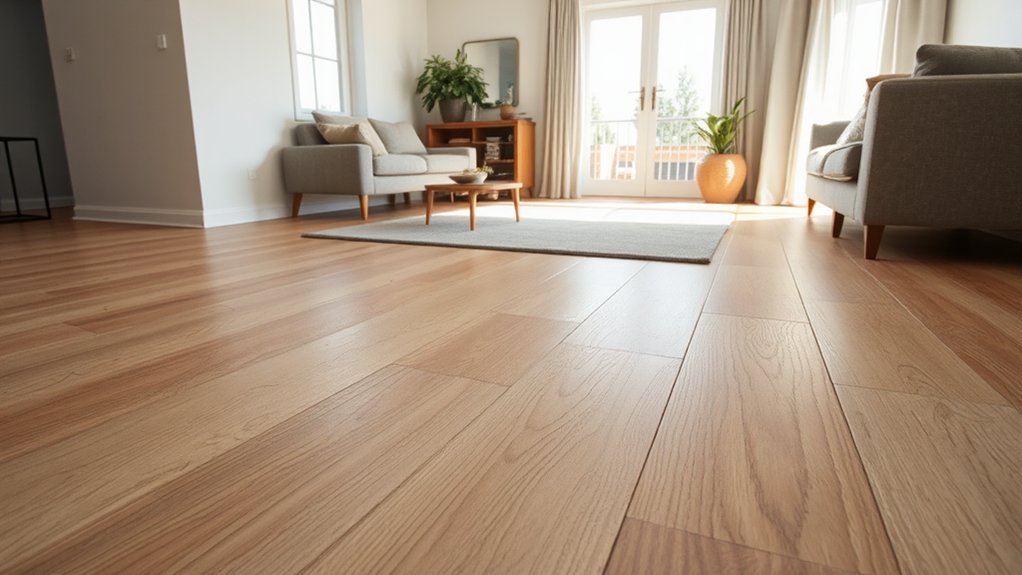
If you want flooring that feels expensive without breaking the bank, start with durable, good-looking options that mimic higher-end materials. You’ll achieve a high-end look through smart choices, durable finishes, and precise installation.
Focus on cost-effective materials that still convey luxury, then pair with eco-friendly design principles and tasteful accents. For a vintage restoration vibe, select finishes and profiles that echo classic craftsmanship while using modern, budget-friendly substrates.
Prioritize wide planks, controlled graining, and subtle sheen to elevate rooms without overspending. Maintenance should be simple to protect the investment and sustain the look over time.
- Luxury-look vinyl with realistic textures
- Laminate with authentic wood patterns
- Porcelain or ceramic tiles in large formats
- Engineered hardwood with durable finishes
- Cork or bamboo for sustainable warmth
Kitchen Upgrades Without a Full-Scale Renovation
Upgrading your kitchen without a full renovation is all about targeted changes that boost function and style with minimal disruption. Start with workflow—arrange furniture placement to maximize counter space and create clear zones for prep, cooking, and cleanup.
Choose task lighting that reduces shadows and highlights work areas without overpowering the room. Swap cabinet hardware to refresh the look with minimal cost and effort. If possible, refinish or paint a cabinet face or island to unify colors and brighten the space.
Update window treatments to control glare while preserving sightlines; light-filtering shades or simple roman blinds work well. Add a few well-chosen accessories—a stylish knife block, a magnetic strip, or a cohesive color scheme—that tie together existing elements.
Maintain balance, avoid clutter, and prioritize durable, easy-to-clean finishes.
Bathrooms That Refresh on a Budget
You can refresh your bathroom on a budget by focusing on small, high-impact updates like modern fixtures and smart storage. Start with budget bathroom updates that deliver the most visible change.
Then freshen with fixtures that look bold without breaking the bank. Track savings with smart saving tittings to stay on target while upgrading key areas.
Budget Bathroom Updates
Looking to refresh a bathroom without blowing your budget? You can achieve a clean, modern look with focused changes that deliver big impact. Start with a plan, not impulse purchases, and prioritize durability and style you’ll actually use daily.
Use cost-effective materials and swap out hardware rather than retooling entire spaces. Small upgrades compound: paint the walls, replace a dated mirror, and install a framed shower curtain to echo premium finishes without the price tag.
Coordinate finishes to tie the room together, then add strategic accents that read high-end.
- Update paint and hardware for cohesive tones
- Swap a dated mirror or vanity lighting
- Reframe or replace a basic shower curtain
- Choose budget landscaping-inspired greenery for a touch of calm
- Select cost effective furniture pieces with clean lines and storage
Freshen With Fixtures
Fixtures are your quickest path to a refreshed bathroom without a full remodel. You can start with targeted fixture upgrades that deliver noticeable impact without overhauling plumbing or wiring.
Prioritize finish and hardware over full replacements: a polished faucet, updated towel bars, and a new mirror elevate the space immediately. Choose matte black, brushed nickel, or chrome based on your existing decor to guarantee cohesive Freshening decor.
Opt for water-efficient models to cut ongoing costs, and verify compatibility with current shutoffs to avoid plumbing surprises.
Replace a dated showerhead for an instant upgrade; add a simple, durable lighting fixture to brighten reflexive surfaces.
Keep color and texture restrained, letting the fixtures themselves carry the refreshed look through careful placement and matching finishes.
Smart Saving Tittings
- Prioritize high-impact fixes first
- Reseal, reglaze, and refresh fixtures
- Source durable yet affordable materials
- Plan a tight, bill-conscious schedule
- Negotiate with suppliers for savings
Lighting and Paint: Big Impact for Little Money
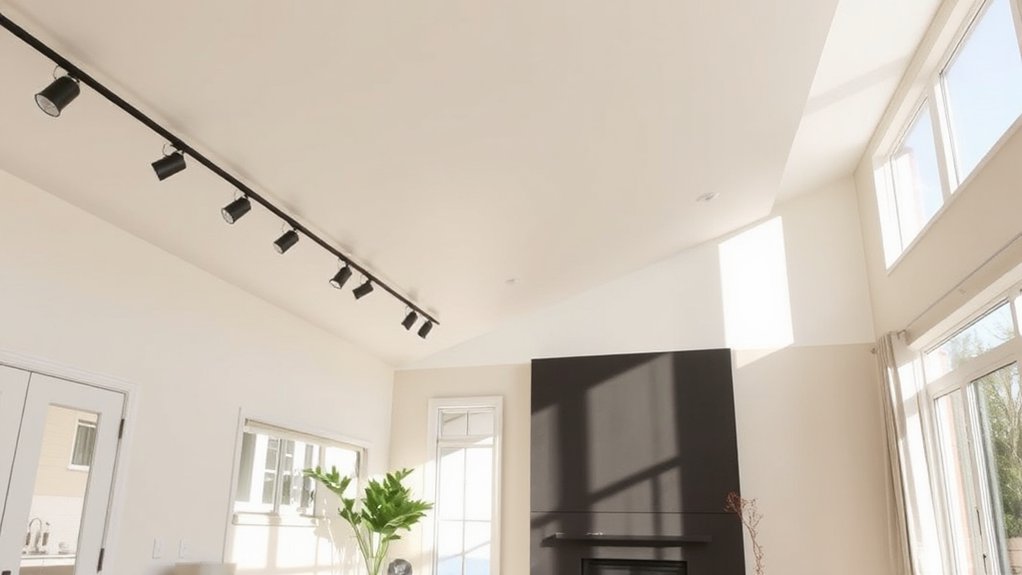
Lighting and paint deliver standout improvements with minimal cost. You can transform spaces quickly by smart lighting and targeted color choices.
Begin with lighting design that brightens without harsh glare: use layered lighting, dimmers, and bulbs with the right color temperature to match each room’s function. Choose white or neutral bases to widen perception and add accent lamps to emphasize architectural details.
For paint, apply paint techniques that create depth—use an eggshell or satin finish for walls and a semi-gloss for trim to boost contrast and cleanliness. Test samples on large swaths at different times of day to confirm tone before committing.
Keep costs down by sticking to two primary colors and reusing existing fixtures where feasible. This approach delivers impactful results quickly and affordably.
Sustainable Choices That Lower Long-Term Costs
Smart, sustainable choices save money year after year, not just upfront. You’ll cut costs by prioritizing durable materials, airtight building envelopes, and systems that perform reliably.
Focus on eco friendly options that reduce waste and emissions while preserving comfort. Choose energy efficient upgrades like high-efficiency HVAC, LED lighting, and smart thermostats to lower monthly bills and maintenance.
- Eco friendly options that balance performance and savings
- Tighten envelopes with high-quality insulation and sealing
- Upgrade to energy efficient HVAC with proper zoning
- Install LED lighting and smart controls for dynamic usage
- Prioritize durable, low-maintenance finishes that resist wear
These decisions minimize future repairs and energy spikes, delivering predictable savings. You’ll enjoy consistent comfort, lower utility bills, and a more resilient home without extra hassle.
Sourcing Reusable or Refurbished Materials
Verify measurements, material specs, and delivery feasibility before committing. Prioritize items with proven longevity, like vintage appliances that still function reliably or can be restored affordably, ensuring safe electrical and plumbing standards.
When selecting finishes, consider artistic murals or panels from artists or studios that provide unique character without expensive custom work. Document provenance, assess return options, and factor potential refinishing costs into your budget to prevent overruns.
These steps keep quality intact while maximizing every dollar.
Managing a Tight Timeline Without Breaking the Bank
When time is tight, you can stay on track without blowing your budget by planning with a critical path approach: identify must-dinish tasks, sequence work for maximum efficiency, and lock in reliable trades early.
With Budget planning and Timeline management in mind, you align tasks, milestones, and contingency buffers to prevent overruns while preserving quality.
- Define non‑negotiables and showstoppers to set baseline scope
- Sequence tasks by dependency to minimize idle days
- Vet trades on lead times, reliability, and cost
- Build a tight, realistic schedule with clear owners
- Monitor progress weekly and adjust without widening gaps
Track Progress and Stay on Budget: A Practical System
To keep a renovation on track and under budget, you need a practical system that tracks progress and flags overruns early. Start with a simple, centralized dashboard listing milestones, costs, and timelines. Update daily, not weekly, so small shifts don’t compound.
Use baselines for each task: expected duration, cost, and procurement lead time. Compare actuals against these baselines, and trigger alerts when variance exceeds a defined threshold.
Integrate Budget planning from the outset and commit to a quarterly review to adjust scope before it blows up.
For buying, use Material sourcing data to enforce a preferred supplier list, lock prices when sensible, and log changes to avoid rework.
Maintain clear ownership: assign a point person for budget and for schedule, and require documented approvals for any change.
Common Pitfalls to Avoid in Budget Renovations
Even with a solid plan, budget renovations stumble when key pitfalls aren’t anticipated. You’ll save time and money by spotting common errors before you start, then correcting course quickly. Focus on accurate cost estimation from the outset and avoid optimistic assumptions that inflate margins.
Choose contractor selection carefully, and don’t rush that decision—verify references, licenses, and past work. Keep scope tightly defined to prevent creep, and document every change with written approvals.
Expect contingencies for unseen issues, but set a realistic buffer you won’t touch unless necessary. Monitor progress weekly, and compare Actuals to budget Actuals.
Communicate clearly to prevent misinterpretations that derail schedules. Finally, resist DIYs that compromise safety or require expensive fixes later.
- Cost estimation pitfalls to watch
- Contractor selection due diligence
- Scope creep and change management
- Contingency planning and budgeting
- Progress tracking and accountability
Financing a Budget-Friendly Renovation: Options and Tips
Securing the right financing can stretch your renovation budget further without sacrificing quality. Start with a clear financial plan: list costs, timelines, and contingency, then align financing with that schedule.
Explore low-interest options such as personal lines of credit or home equity credit, but compare terms and fees carefully. Prioritize fixed-rate or capped loans to avoid payment surprises as prices shift.
Consider phased renovations to match cash flow, reducing carrying costs.
Before committing, get preapproval to gauge affordability and strengthen contractor negotiations. Build a transparent budget with itemized projections, worst-case scenarios, and milestones to trigger draws.
Use contractor estimates to validate financial planning, and insist on detailed contracts that cover change orders and workmanship standards.
Maintain strict oversight to prevent scope creep from inflating costs beyond what your financing permits.
Final Checklist: Quality Results Without Overspending
Here’s your final checklist for delivering quality results without overspending: define clear quality standards upfront, then verify every line item against them before work begins. You’ll also want to insist on detailed change orders and written warranties to prevent costly deviations.
You’ll need to balance Historical preservation needs with practical cost control, and you’ll plan around zoning restrictions to avoid rework. Maintain tight documentation, monitor progress daily, and confront issues early to prevent scope creep.
Align subcontractors to standards, and require material certifications that back your quality goals. With disciplined approvals, you’ll protect value and ensure predictable outcomes.
- Define standards and verify every item against them
- Demand detailed change orders and written warranties
- Align with Historical preservation requirements
- Anticipate zoning restrictions to prevent rework
- Monitor progress daily and document decisions
Frequently Asked Questions
How Can I Identify True Renovation Needs vs. Wants?
You identify true renovation needs by prioritizing essential structural and safety fixes first, then separate decorative touches and aesthetic enhancements as optional. Focus on ROI, durability, and demand, reducing impulse purchases and budget creep. Your plan remains practical and precise.
What Are the Best Low-Cost Upgrade Priorities by Room?
Coincidence strikes: prioritize high-impact, low-cost upgrades. In each room, optimize furniture placement and choose cohesive color schemes. Fix lighting, refresh hardware, seal gaps, and repaint strategically. You’ll maximize impact with practical, precise decisions and efficient budgeting.
How to Estimate Project Duration Accurately Without Surprises?
Estimate duration by breaking tasks, adding buffers for approvals, and tracking daily progress. Use budget planning to set contingencies and contractor selection to confirm realistic timelines. Communicate milestones clearly, adjust schedules proactively, and document changes for accuracy.
Which Budget-Friendly Materials Offer the Best Durability?
Affordable alternatives exist that deliver durability. You’ll lean toward affordable options and eco friendly options like laminate flooring, vinyl plank, quartz composite counters, and coated metals, prioritizing proper installation and maintenance for long-lasting performance you can trust.
When Should I Hire a Pro to Avoid Costly Errors?
Hire a pro when risks of DIY pitfalls outweigh savings; you should spot structural, wiring, plumbing, or code issues early. Do thorough contractor selection, verify licenses, reviews, and warranties to avoid costly errors.
Conclusion
You can renovate smartly without overspending by sticking to a clear budget, prioritizing high-value upgrades, and sealing deals on materials. Stay disciplined with a progress system, and don’t over-invest in cosmetic tweaks before addressing essentials. If you fear hidden costs, build a contingency and shop around early. With disciplined planning, practical decisions, and measured steps, you’ll finish within budget and achieve durable, high-quality results you’ll actually be proud of.