
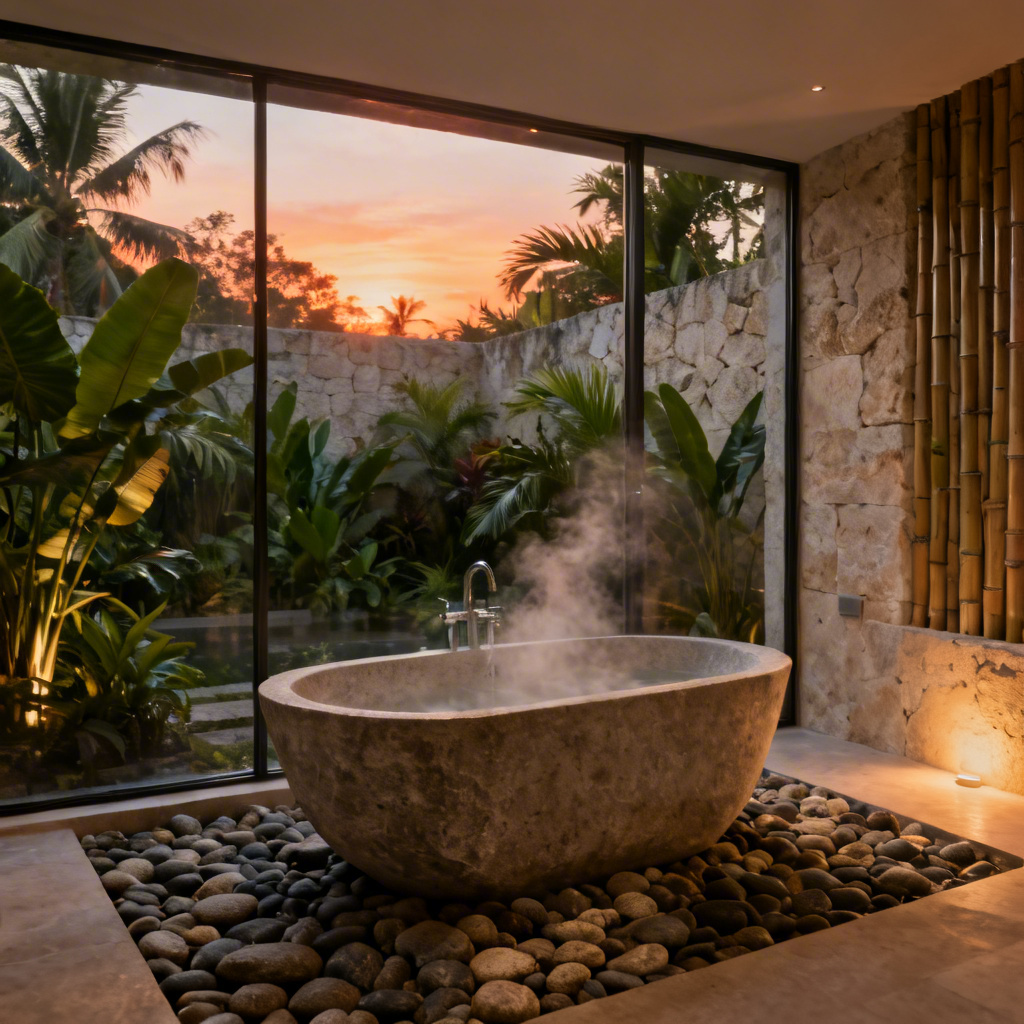

The future of biophilic design blends living systems, data-driven metrics, and adaptive technologies to boost wellbeing, resilience, and efficiency. You’ll see more living walls, modular greenery, regenerative landscapes, and bio-inspired materials integrated with sensing networks and AI-driven plant care. Adaptive facades, daylight optimization, and biophilic work environments will balance comfort, productivity, and health. Data-driven dashboards will track impact, while circularity, maintenance, and equity become core constraints. Stay tuned for practical pathways to implement these innovations.
Key Takeaways
- Biophilic design will increasingly fuse living systems with smart building tech through AI-driven plant care, adaptive facades, and real-time environmental sensing.
- Green infrastructure and regenerative landscapes will become core urban resilience strategies, linking biodiversity, cooling, and flood protection with finance metrics.
- Modular green walls and bio-inspired materials will enable scalable, retrofit-friendly implementations with self-healing properties and enhanced durability.
- Data-driven targets will measure wellbeing, productivity, and ecological performance, guiding ROI and longitudinal impact assessments.
- Daylight, views, and circadian-aligned lighting will be optimized via responsive controls and dynamic shading to enhance occupant health and comfort.
What Biophilic Design Is Today
Biophilic design today integrates natural elements directly into built environments to connect occupants with nature and enhance well-being. You assess spaces through a framework that prioritizes ecological integration, sensory enrichment, and functional performance.
You recognize that design now blends architectural form with living systems to support health, productivity, and resilience. You apply measurable criteria: environmental quality, material provenance, daylight access, thermal comfort, and acoustics, all aligned with nature-driven outcomes.
You leverage data on plant physiology, microclimates, and user interaction to optimize experiences without compromising safety or efficiency. You implement scalable strategies, from passive cooling to daylight harvesting, while preserving aesthetic clarity and operational cost.
You communicate findings succinctly to stakeholders, enabling informed decisions that sustain long-term ecological harmony and occupant well-being.
Living Walls and Modular Greenery in Action
Living walls respond to spatial constraints with dynamic vegetation layouts, balancing aesthetics and airflow while maintaining plant health through modular irrigation and support systems.
You’ll see how modular greenery enables scalable configurations, rapid replacement, and targeted microclimate control across interiors.
This section introduces the core dynamics of living walls and modular greenery systems, setting up comparative analysis and performance benchmarks.
Living Walls Dynamics
Incorporating living walls and modular greenery creates dynamic vertical ecosystems that optimize space, improve air quality, and enhance occupant well-being. You assess performance through pressurized irrigation, substrate stability, and drainage efficiency, ensuring system reliability under varying loads.
Living walls integrate plant media, irrigation lines, and sensors into a compact envelope, enabling continuous monitoring of moisture, temperature, and nutrient status while minimizing maintenance cycles.
Effective plant integration relies on selection criteria that balance horticultural vigor with structural constraints, favoring resilient species and rootable media compatible with automation.
System dynamics reveal rapid microclimate modulation, humidity stabilization, and noise attenuation, contributing measurable gains in perceived comfort.
Design emphasis remains on predictable water use, fail-safe components, and scalable layouts that support evolving occupancy patterns without compromising aesthetics or indoor air quality.
Modular Greenery Systems
By deploying modular panels, you achieve consistent greenery density and predictable irrigation, lighting, and substrate interfaces. This approach supports sustainable installation through standardized components, off‑site fabrication, and minimized waste.
You gain flexibility for retrofits and new builds, with components that snap together for seamless expansion or reconfiguration. Maintenance becomes streamlined: modular maintenance cycles, quick access to plant zones, and centralized monitoring reduce downtime and labor costs.
In practice, expect reliable performance, reduced lifecycle costs, and scalable aesthetics that respond to evolving spaces and occupancies.
Implementing AI Plant Care: Steps, Tools, and Pitfalls
To implement AI plant care, start with reliable setup and tools that integrate sensors, data pipelines, and platform interfaces for real-time monitoring.
You’ll need clear workflows for data collection, model guidance, and automated actions, plus guardrails to handle anomalies and alerts.
Be mindful of common pitfalls—data gaps, hardware failures, and misconfigured rules—sharing practical tips to maximize reliability and ease of maintenance.
Setup And Tools
Implementing AI plant care starts with a clear setup: identify your goals, map the plant species you’ll monitor, and choose a compatible AI system. You’ll define data requirements, select sensors, and set performance metrics to align with your biophilic design objectives.
Then, configure plant-by-plant profiles, schedule monitoring intervals, and establish maintenance routines that support reliable alerts and recommendations. This groundwork enables precise plant selection and durable Maintenance strategies, reducing false positives and intervention fatigue.
Keep documentation tight: data paths, calibration procedures, and versioned configurations.
- Define success metrics for plant health and system uptime
- Align sensor types with species-specific needs
- Establish routine calibration and update cycles
Common Pitfalls And Tips
When you start applying AI plant care, expect misreads, false alerts, and tool misalignment if you skip early validation. You’ll encounter data quality gaps, inconsistent sensor readings, and integration friction between platforms.
Start with a defined scope: select essential metrics (soil moisture, light, temperature) and verify baselines across species. Calibrate models using labeled, representative data; document thresholds and alert hierarchies clearly.
Regularly audit alerts to prevent alarm fatigue and guarantee rapid response. Favor modular tools with interoperable APIs to reduce vendor lock-in and support ongoing optimization.
Prioritize indoor air considerations and aesthetic appeal by validating care actions that preserve plant health without compromising space design.
Train users on interpretation and escalation paths, and schedule periodic review to adapt models to seasonal changes and new plant varieties.
Adaptive Facades for Climate-Resilient Comfort
Adaptive facades actively respond to environmental conditions to optimize indoor comfort while reducing energy use. You leverage dynamic shading, porous skins, and responsive louvers to modulate heat gain, airflow, and daylight potential, aligning with climate adaptation needs while preserving occupant well-being.
The system senses external temperature, wind, and solar intensity to adjust transmission and insulation characteristics in real time, boosting energy efficiency without compromising performance. Integrated control algorithms balance comfort targets with architectural objectives, minimizing peak loads and utility peaks.
Structural integration ensures durability under variable climates and maintenance feasibility. This approach enables resilient, net-positive-building behavior amid urban heat fluctuations and drought risks. It also supports lifecycle optimization through modular components and scalable sensors.
- Dynamic shading and ventilated gaps optimize thermal loads
- Sensor-driven control harmonizes comfort, energy, and climate adaptation
- Modular, scalable skins reduce maintenance and improve energy efficiency
Daylight, Views, and How Light Shapes We Experience Spaces
Daylight and views shape not only how spaces feel but how occupants perform within them. You’ll optimize daylighting strategies to align with work rhythms, task lighting, and circadian cues, enhancing comfort and productivity.
Natural illumination reduces reliance on artificial systems while defining materiality, color perception, and contrast, influencing space perception and wayfinding. Consider glazing, shading, and orientation to balance glare control with visual access to exterior scenes, improving cognitive engagement without distraction.
Vertical and horizontal daylight distribution informs zoning, occupancy patterns, and energy use, enabling responsive lighting control that supports circadian alignment.
Views extend beyond aesthetics, supporting stress reduction and mood regulation when framed with contextually meaningful landscapes.
Integrate simulations, metrics, and post-occupancy feedback to refine daylight autonomy, ensuring performance stays aligned with biophilic objectives.
Regenerative Landscapes for Urban Wellness
You leverage urban green infrastructure to bolster resilience and health, creating spaces that regulate microclimates, filter pollutants, and manage stormwater.
Healing green corridors connect neighborhoods, support biodiversity, and offer accessible, restorative routes for residents.
This approach prioritizes regenerative cycles, measurable outcomes, and scalable implementations that integrate with existing city systems.
Urban Green Infrastructure
- Multifunctional landscapes that serve hydrology, cooling, and habitat
- Financial models tying resilience outcomes to green finance metrics
- Data-driven targets for urban biodiversity and performance monitoring
Healing Green Corridors
| Attribute | Benefit |
|---|---|
| Biodiversity | Enhanced habitats |
| Connectivity | Improved linkages |
Bio-Inspired Materials and Sensing for Smart Buildings
Bio-inspired materials and sensing systems are transforming smart buildings by mimicking natural processes to enhance durability, adaptability, and environmental responsiveness. You leverage bio inspired coatings and integrated sensors to monitor structural integrity, climate, and occupancy in real time, enabling proactive maintenance and energy optimization.
By embracing hierarchical materials and self-healing concepts, you achieve greater service life with reduced embodied carbon, while maintaining aesthetic alignment with natural environments. Sensory plant networks inform moisture, humidity, and pathogen detection strategies, translating living system intelligence into robust building automation.
You deploy data fusion to interpret signals, enabling responsive shading, adaptive insulation, and resilient envelope performance. This approach tightens the link between built and natural ecosystems, elevating occupant comfort and building resilience through biologically inspired design.
- Bio inspired coatings for durability and repair
- Sensory plant networks for ambient sensing and diagnostics
- Real-time data fusion for adaptive envelopes
Biophilic Design for Work, Learning, and Care Environments
Emphasize material choices that are durable, recyclable, and low-emission, aligning with sustainable architecture goals. You assess wayfinding, thermal comfort, and adjustable biophilic elements to accommodate diverse tasks and user needs.
The approach strengthens resilience by pairing sensors with responsive environments, enabling real-time adjustments without distraction. You also consider urban biodiversity in surrounding landscaping, prioritizing native species and habitat features.
This focus guarantees healthful work and study settings that reflect responsible, nature-informed design practice.
Data-Driven Metrics: Measuring Wellbeing and Impact
Data-driven metrics quantify wellbeing and impact by linking environmental inputs to user outcomes. You measure performance through objective indicators, aligning biophilic features with health, productivity, and satisfaction. Plant integration serves as a key variable, where plant density, diversity, and placement correlate with stress reduction and cognitive function, informing design decisions.
Wellness metrics aggregate physiological, behavioral, and perceptual data to provide a holistic impact profile. You should employ standardized protocols, ensuring reproducibility across spaces and cohorts, while accounting for confounders like seasonality and occupancy.
The result is actionable evidence that supports ROI, informs ongoing adjustments, and demonstrates value to stakeholders. Transparency, calibration, and longitudinal tracking underpin credible assessments. Emphasize reliability, validity, and pragmatic implementation for scalable, data-driven biophilic design.
- Plant integration and wellness metrics drive measurable outcomes
- Standardized protocols enable reproducible assessments
- Longitudinal tracking informs iterative design decisions
From Vision to Reality: A Pragmatic Implementation Framework
To move from vision to action, we translate strategic goals into a pragmatic, stepwise implementation plan that integrates biophilic elements with existing workflows. You establish clear milestones, owner responsibilities, and a phased timeline aligned to operational cycles.
Begin with a baseline map of current spaces, then define tangible design interventions and measurable outcomes. Prioritize cross-functional validation, data capture, and iterative testing to prevent scope creep.
Integrate plant integration into occupancy models, maintenance routines, and safety protocols, ensuring minimal disruption to core processes.
Define sustainability metrics early: energy, water, material impact, and occupant wellbeing correlations, with dashboards for ongoing monitoring.
Document risks, mitigations, and change-control gates to sustain momentum, control costs, and enable scalable replication across sites.

The Next Frontier: Circularity, Maintenance, and Equity
Circularity, maintenance, and equity expand biophilic aims beyond initial design by embedding resource loops, reliable upkeep, and inclusive outcomes into daily operations. You implement circular economy principles to minimize waste, reuse materials, and recover energy, reducing lifecycle impact while preserving biophilic benefits.
Continuous maintenance ensures performance of living systems, sensors, and indoor landscapes, preventing degradation of occupant well-being.
Equitable access guides space planning, ensuring diverse user needs—mental health, physical accessibility, cultural relevance—are met through adaptable environments.
By integrating governance, you align procurement, maintenance schedules, and user feedback with sustainability targets, delivering resilient outcomes for all occupants.
The result is a scalable model where nature-based solutions persist, while inclusivity remains a core metric of success.
- Align procurement, maintenance, and feedback loops with circular economy goals
- Design for inclusive access and adaptable biophilic features
- Measure equity outcomes alongside ecological performance
Frequently Asked Questions
How Do Budgets Constrain Biophilic Design Adoption Across Sectors?
Budget constraints limit biophilic design adoption across sectors; cost restrictions drive prioritization, delaying high-impact elements and favoring scalable, cost-effective components. You’ll optimize ROI by phased implementations, standardizing materials, and leveraging partnerships to balance aesthetics, functionality, and maintenance.
What Maintenance Timelines Maximize Long-Term Biophilic Benefits?
You maximize long-term biophilic benefits by adhering to a steady maintenance cadence; plant integration and natural lighting require scheduled care, calibration, and monitoring. You guarantee reliability through routine inspections, timely replacements, and adaptive systems that sustain ecosystem balance.
Can Biophilic Design Be Retrofitted in Dense Urban Cores?
Yes, you can retrofit biophilic design in dense urban cores. Implement vertical gardens and rooftop parks to maximize exposure, improve microclimates, and support occupant well-being while integrating compact irrigation, structural considerations, and maintenance planning.
How to Quantify Occupant Happiness From Biophilic Features?
You can quantify occupant happiness by measuring emotions and satisfaction linked to Natural Integration and Emotional Well being, using validated surveys and physiological proxies; like a precise gauge, you track triggers, then correlate data to design interventions.
What Governance Ensures Equitable Access to Biophilic Spaces?
You guarantee equitable access through environmental justice frameworks, enforcing inclusive governance, transparent budgeting, and community-led decision-making, while aligning with cultural integration principles to incorporate local values, avoid displacement, and measure outcomes across diverse, underserved spaces.
Conclusion
You’ve explored today’s biophilic design landscape and what it can deliver. Implement with purpose: blend adaptive facades, modular greenery, and daylighting to support wellbeing, performance, and resilience. Use data-driven metrics to steer decisions, not chase fads. A pragmatic framework turns vision into reality, with circularity, maintenance, and equity in mind. Think of it as a living system: your spaces breathe, adapt, and endure, like a carefully tuned instrument that harmonizes occupants, environment, and function.