
Want quick weekend wins that boost your home’s value? Start by ranking upgrades by ROI so you spend where it earns back the most. Tackle curb appeal with curb-appeal fixes, fresh entry, and tidy landscaping. Refresh kitchens and baths on a budget, add smart storage, and declutter to create flow. Upgrade lighting and flooring with affordable, durable options. Track costs, time, and resale impact to keep momentum; more practical tips ahead will help you optimize results.
Key Takeaways
- Prioritize ROI-focused weekend upgrades like curb appeal and small interior refreshes that boost resale value quickly.
- Use a before-and-after checklist to measure ROI, time, and cost against resale lift.
- Implement quick exterior fixes: tidy landscaping, fresh entrance, tidy gutters, and updated lighting for immediate impact.
- Choose durable, low-cost interior updates (flooring patches, paint in two colors, new hardware) to refresh spaces fast.
- Track results with clear baselines and quarterly reviews to guide future high-impact, low-effort projects.
Rank Weekend Upgrades by ROI
When evaluating weekend upgrades, start by ranking them by ROI to maximize value quickly. You’ll compare costs against expected gains, guiding decisions with methodical, data-backed estimates.
Focus on improvements that boost perceived value without overinvesting, and align choices with your home renovation goals. Use simple benchmarks: payback period, incremental value, and impact on appraisals.
For each option, project resale lift, maintenance savings, and appeal to buyers. Don’t overlook exterior and interior signals that influence a property appraisal, such as curb appeal, storage, and durability.
Prioritize renovations that deliver tangible, finish-at-home results and keep scope realistic for a weekend. Document assumptions, track time, and verify ROI with market data to justify your recommendations.
This disciplined approach smooths planning and minimizes risk.
Quick Fixes to Boost Curb Appeal
Small fixes can deliver big curb-appeal bang for your buck. You can boost first impressions quickly with practical, targeted tweaks.
Start with landscape design basics: tidy lawns, trimmed edges, and a defined focal point like a colorful shrub or a simple perennial border. Choose low-maintenance plants that complement your home’s style and require minimal upkeep.
Exterior maintenance matters too: clean gutters, fresh house numbers, and a pressure-washed facade can transform the look without breaking the bank. Upgrade lighting along walkways and entryways for safety and ambiance.
Refresh the front door with a new coat of paint or a bold accent color. Mulch beds, address any peeling trim, and ensure pathways are even and inviting.
These steps create cohesion and curb-appeal without major renovations.
Refresh Your Kitchen on a Budget
Want to upgrade your kitchen without breaking the bank? Start with visual impact, not a full remodel. Focus on finish tweaks that deliver noticeable returns fast.
Replace dated cabinet hardware with modern pulls or knobs in a cohesive finish—brushed nickel, matte black, or brass accents—to refresh the look without changing cabinets.
Update kitchen tile accents, backsplashes, or a small section near the sink to add texture and color; choose simple patterns and budget-friendly materials.
Repaint upper cabinets or walls in a clean, lasting shade to brighten the space.
Install an energy-efficient under-cabinet light strip for task lighting and atmosphere.
Keep fixtures cohesive, avoid overdoing contrast, and reassess layout only if you’re sure it adds value.
These small, deliberate upgrades yield strong perceived value.
Budget Bathroom Upgrades That Spark Joy
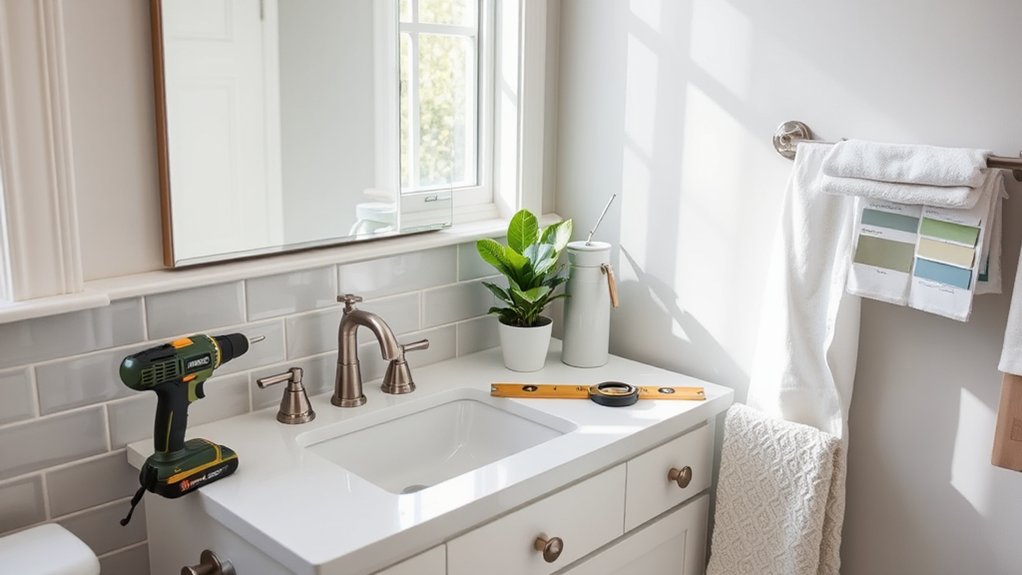
Upgrading a bathroom on a budget delivers noticeably higher value without a full remodel. You’ll boost appeal with practical, fast changes that pay off.
Start with bathroom storage: install wall-mounted cabinets or shelving to free counter space, and add baskets or fitting organizers inside a vanity to reduce clutter.
Next, upgrade lighting fixtures to brighten the room and create a spa-like feel; choose a uniform finish for a cohesive look and consider layered lighting—ambient, task, and accent—for versatility.
Recaulk sinks and bathtubs to refresh seals, preventing moisture damage.
Swap hardware on vanity and towel bars for an instant update.
Use energy-efficient LED bulbs and a reflective mirror to make the space appear larger.
These tweaks deliver incremental value without disruption.
Smart Storage Solutions for Small Spaces
When space is at a premium, smart storage isn’t optional—it’s essential. You’ll maximize every inch with thoughtful solutions that blend function and style, focusing on smart organization and space optimization.
- Install floating shelves and modular bins to keep surfaces clean and accessible.
- Use vertical organizers, door racks, and hooks to reclaim floor space.
- Choose furniture with built-in storage: ottomans, beds, and coffee tables that conceal items.
- Implement labeled, uniform containers to simplify retrieval and reduce clutter.
Keep a consistent system: designate zones for clothes, tools, and supplies, and rotate seasonal items. Measure before buying, opt for stackable or collapsible options, and hide cords with cord management tools.
This approach delivers immediate, practical gains in small spaces.
Paint Tricks That Transform a Room Fast
Start by prepping your Painter’s Deck so you can work cleanly without tracking dust or spills. Choose a color claim quick win—think light neutrals or a fresh accent—and apply even coats for max impact.
Finish with smart trim touches to pull the room together and seal the look.
Prep For Painter’s Deck
- Prepare with drop cloths and secured corners
- Tape edges for crisp lines and protection
- Inspect, repair, and lightly sand rough spots
- Vacuum and wipe, then reseal workspace
Color Claim Quick Wins
Color can’t fix every flaw, but quick paint tweaks will. You can transform a room fast by choosing palettes that maximize light and space. Start with Color theory basics: pair warm neutrals with cool accents to create contrast without overpowering a small room.
For walls, limit to two colors max; use a lighter shade on the largest surfaces and a bolder hue for an accent wall or focal area. When you select paint, prioritize high-quality, durable finishes, and test color chips in different lighting.
Consider paint selection for ceilings—the right white can lift ceilings and brighten shadows. Keep tools simple: cut in clean lines, roll evenly, and protect trim. These small choices deliver noticeable value with minimal disruption.
Finish With Trim Touches
A quick way to sharpen a room’s look is to frame walls with carefully chosen trim. Finish with trim touches by adding decorative molding and strategic paint, which instantly defines spaces without a full remodel. You’ll gain polish with minimal effort, and the results feel high-end after a weekend’s work.
Focus on clean lines, proper gaps, and a consistent color scheme to avoid visual clutter.
- Choose decorative molding that complements existing architecture for cohesion
- Plan trim installation with precise measurements and level lines
- Paint trims a shade lighter or darker to create subtle contrast
- Seal edges to prevent chipping and guarantee durable, crisp finishes
Lighting Upgrades for Value and Mood
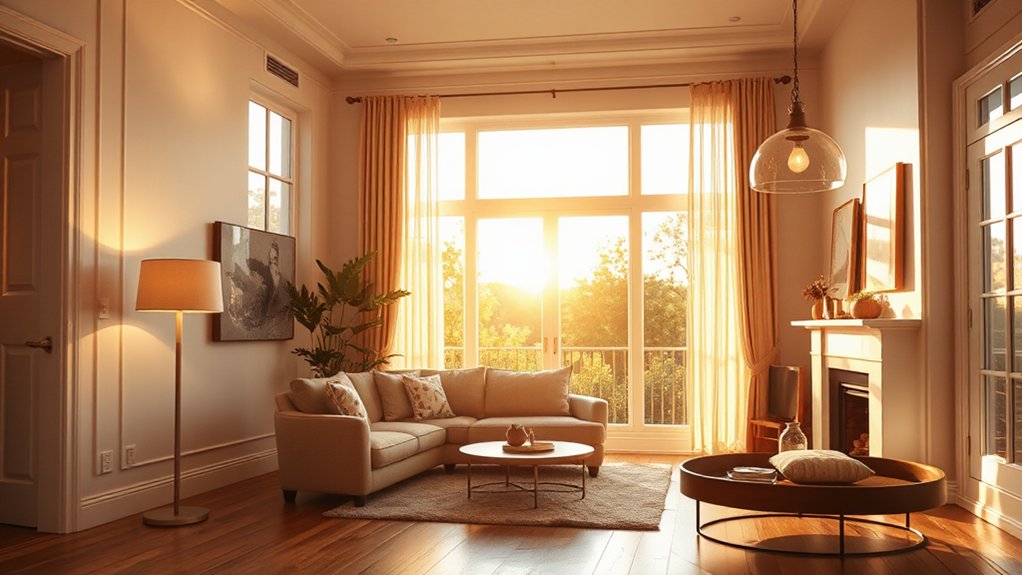
To boost both value and mood, start with lighting upgrades that are practical and visible. You’ll see impact fast when you replace dated fixtures with efficient, modern options and layer light sources.
Go for ambient lighting to soften spaces, moving beyond single overheads. Install dimmers so you control mood for daily use and entertaining.
Smart bulbs add convenience, allow color and white temperature shifts, and integrate with voice or apps for scenes that feel thoughtfully designed.
Prioritize under-cabinet lighting in kitchens and soft hallway glow to guide paths without glare.
Fixtures should be proportional to room scale, with finishes that match cabinetry or hardware for cohesive value.
Test brightness in different areas, then document a simple upgrade plan for future projects.
Budget-Friendly Flooring Fixes
You can tighten up your space with quick patches that hide flaws and refresh the room. A fresh look doesn’t have to break the bank, and these fixes stay durable for real everyday use.
We’ll focus on budget-friendly options that keep you moving toward a solid, lasting result.
Quick Patch, Fresh Look
Small fixes can yield big gains: in this budget-friendly flooring patch guide, you’ll learn quick, practical tweaks that refresh rooms without a full floor replacement.
- Repair minor scratches and chips with matching putty, then sand smooth for a seamless surface.
- Use peel-and-stick vinyl tiles for a fast, affordable facelift where patterns help disguise wear.
- Refinish high-traffic timber with a light coat of stain and seal to restore color and durability.
- Refresh grout lines with cleaner and re-caulk where gaps show, restoring a fresh, uniform look.
This quick patch, fresh look approach keeps costs down while boosting appeal. You’ll feel the difference in less time and effort than a full remodel.
Durable, Budget-Friendly Fixes
Durable, budget-friendly flooring fixes deliver real value without a full overhaul. You’ll upgrade rooms fast by selecting durable materials that resist wear and moisture, then pairing them with simple installation steps.
Start with a clear plan: measure area, list priorities, and estimate costs to avoid budget creep. Prioritize low-maintenance options like vinyl plank, ceramic tile, or high-quality laminate, which blend affordability with longevity.
Prepare subfloors properly—clean, level, and repair cracks—to prevent future failures. For tight budgets, consider DIY prep and installation while leaving complex cuts to pros when needed.
Focus on color and texture that disguise wear and suit your style. Budget planning matters: allocate 40% for materials, 30% for tools, and 30% for contingencies.
Your smart choice today strengthens curb appeal and daily comfort.
Modernize With Hardware and Finishes
Upgrading hinges, knobs, and finishes can dramatically refresh a space without a full remodel. You’ll modernize the look and feel through thoughtful hardware choices and paint-grade upgrades, keeping costs low while boosting appeal.
Focus on contrast, function, and durability, then pick finishes that complement existing tones.
- Swap brushed nickel, matte black, or antique brass hinges and knobs for cohesive hardware.
- Add a high-contrast trim paint to emphasize doors and cabinetry.
- Choose durable finishes rated for high-traffic areas.
- Integrate vintage fixtures or ornate moldings as tasteful accents.
Two quick wins: replace dated cabinet pulls with solid-metal hardware and repaint with a semi-gloss for easy cleaning. This approach ties modern practicality to timeless style, adding value without major work.
Vintage fixtures and ornate moldings subtly elevate the look.
Energy-Saving Tweaks Homebuyers Notice
Energy savings aren’t just about lower bills—they influence buyer perception and long-term value. You’ll notice homebuyers prioritize comfort, efficiency, and predictable costs, so small tweaks add credibility to your listing.
Begin with insulation upgrades: sealed gaps, proper attic and basement insulation, and thermal barriers reduce drafts and furnace runs, making every room feel steadier.
Pair that with energy-efficient windows and doors to curb heat loss without sacrificing daylight.
Consider solar panels if the roof supports it; buyers view solar as long-term savings and modern reliability, especially with clear production history.
Then highlight a well-tuned HVAC and programmable thermostat, ensuring zones are balanced and usage data is transparent.
Document upgrades with receipts and performance estimates to reinforce value beyond curb appeal.
Declutter Plans That Sell Your Home
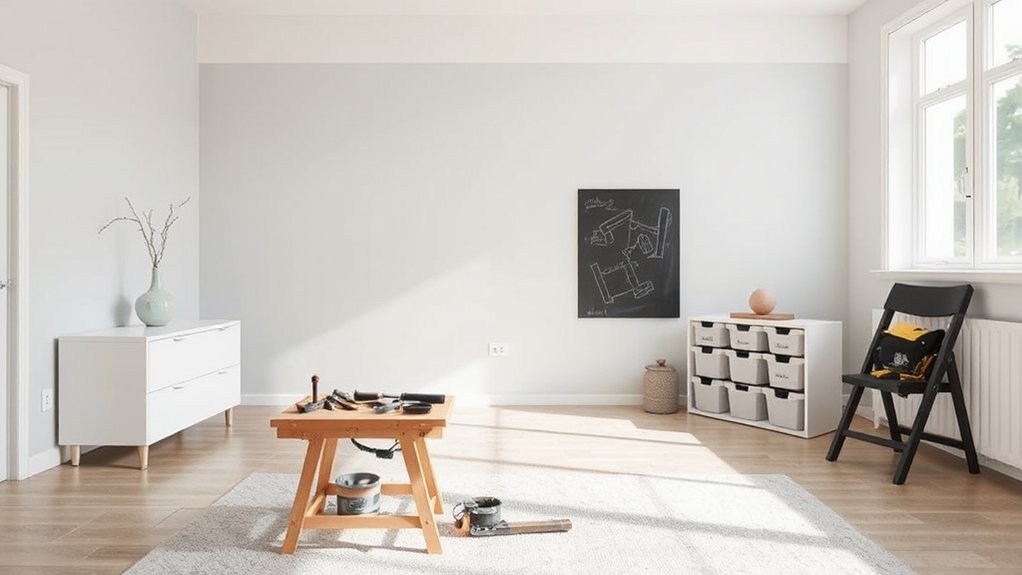
Want to move buyers faster? Decluttering isn’t cosmetic fluff—it’s a buyer’s first impression. You trim excess, you reveal space, you boost perceived value. Focus on minimal clutter and apply clear organization tips that translate into real selling power.
- Target high-traffic rooms first, clearing surfaces and countertops
- Use uniform storage bins and label them for quick tours
- Edit decor to a simple, cohesive palette
- Tidy closets and cabinets to show ample storage without overstuffing
With a deliberate plan, you create flow, light, and a sense of order buyers instinctively trust. You don’t need perfection—just a clean, calm backdrop that lets features shine.
Declutter plans that sell your home translate to faster offers and higher confidence in your space.
Outdoor Upgrades for Quick Value
Upgrade your outdoors fast by tackling lighting, a refreshed deck or patio, and added garden privacy. Start with bright, energy-efficient outdoor lighting to boost curb appeal.
Then refresh surfaces for an inviting outdoor living space, and seal gaps with discreet privacy touches. These tweaks deliver immediate value without major disruption.
Outdoor Lighting Upgrades
- solar lighting options that are simple to install and energy-efficient
- smart timers or motion sensors for pathway illumination and security
- low-voltage fixtures that simplify wiring and maintenance
- durable, weather-resistant housings for long-lasting appeal
You’ll boost usability after dark, guiding guests and deterring intruders without a costly overhaul. Choose warm light temperatures to preserve natural color and ambiance.
Plan a cohesive layer: front walk, entry steps, and patio edges should all read as one illuminated path. Review placement with sightlines from your curb, porch, and driveway to ensure even coverage and no dark spots.
Pathway illumination that’s practical, consistent, and well-lit adds value fast.
Deck and Patio Refresh
A deck and patio refresh can dramatically boost curb appeal and usability without a full remodel. You’ll start by evaluating surface condition and fixing loose boards, cracks, or uneven steps to prevent hazards and future costs.
Power wash to reveal true color, then apply a fresh sealant or paint in a weather-appropriate shade that complements your home. Choose durable, low-maintenance materials for long-term value.
Update railings or trim if they show wear, and implement simple drainage fixes to prevent standing water.
Elevate the space with garden furniture that fits your footprint and use outdoor decor to create zones for dining, lounging, and grilling. Keep accessories minimal and cohesive; this anchors the look without clutter.
A thoughtful refresh delivers noticeable impact fast.
Garden Privacy Enhancements
If you want built-in privacy without sacrificing light, start with strategic plantings and simple barriers that fit your yard size. Garden privacy enhancements boost curb appeal and value by shaping a calm, secluded outdoor experience.
Focus on a practical garden layout that pairs screening plants with low-profile privacy screens. Use evergreen shrubs for year-round coverage and layered textures for depth. Integrate trellises, lattices, or bamboo panels to add height without overwhelming space.
Keep maintenance in mind and select native species for easier care.
- Choose fast-growing evergreens and tall grasses for quick screening
- Position privacy screens along property lines and seating areas
- Add trellises or lattices with vines to extend privacy upward
- Keep sightlines open for light and airflow
Plan Your Weekend: Timeline and Budget
Plan your weekend with a clear game plan: outline two or three small projects, set a realistic timeline, and lock in a budget you’ll actually stick to. You’ll save time and stress by prioritizing tasks that deliver the most value, such as quick updates to curb appeal or functional upgrades in high-use rooms.
Start with budget planning: estimate costs for materials, tools, and any professional help, then add a 10–15% contingency.
For timeline management, assign each project a completion window and mark milestones on a calendar. Track progress daily, adjusting only if necessary.
Keep receipts and invoices organized to compare actual spend against your plan.
How to Measure Impact and Next Steps
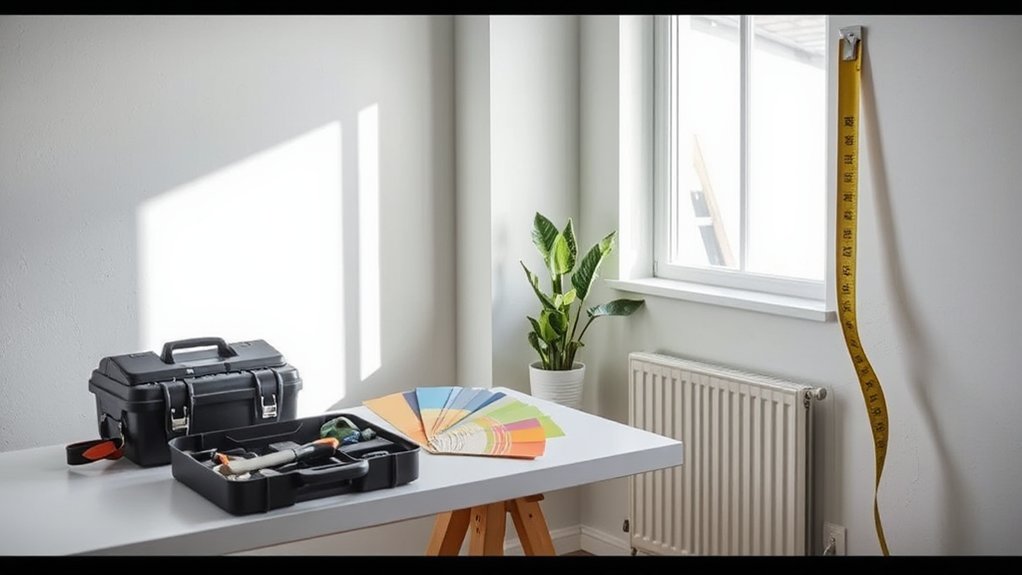
To measure impact, track key metrics like cost per improvement, time to finish, and value added to resale price.
Use a simple before-and-after checklist and compare actual results against your plan.
Then outline concrete next steps based on what worked, what didn’t, and what you’ll do next weekend.
Measure Impact Metrics
Measuring impact is all about turning effort into data you can act on. You’ll track tangible signals that show value from weekend projects, informed by historical context and homeowner psychology. Focus on metrics that matter, not vanity stats, and tighten your feedback loop for faster course corrections.
- Define clear baselines: note current costs, time, and energy before you start.
- Track cost per value: estimate resale bump, energy savings, or habit improvements.
- Measure time-to-impact: when do results appear, and how durable are they?
- Review and adjust quarterly: compare projections to reality, refine effort for better ROI.
Plan Next Steps
You’ve set baselines and tracked early signals; now map those insights into concrete next steps. Start by prioritizing actions with the greatest impact on value and ease of implementation.
Focus on two to three measurable goals, then assign owners and deadlines. For landscape sustainability, choose drought-tolerant plantings, efficient irrigation, and seasonal maintenance plans to reduce ongoing costs. Tie these efforts to clear metrics: water use, plant health, and maintenance time.
For smart home integration, outline a phased rollout: begin with energy monitoring, then thermostats, lighting, and safety devices, each with anticipated ROI. Document the costs, expected savings, and potential financing.
Review results monthly, adjusting priorities as needed. Maintain momentum by scheduling quick wins first and communicating progress to stakeholders.
Frequently Asked Questions
How Soon Will I See Value After a Project?
You’ll typically see value changes at your next home appraisal after renovations, but timing varies. Plan renovation timing strategically, document costs, and focus on high-ROI updates to maximize impact on appraisal results and resale appeal.
Which Upgrade Provides the Best ROI Nationally?
Upgrading with luxury fixtures offers strong ROI nationally, and pairing them with smart technology boosts appeal. You’ll see the best value by integrating both: install high-end fixtures, add intuitive smart controls, and emphasize energy efficiency for broad buyer interest.
Can I DIY Without Ruining Resale Value?
Yes, you can DIY without ruining resale value if you plan carefully. Start with safe methods, using DIY safety as a priority, and balance function with design inspiration to keep upgrades tasteful and market-friendly.
What’s a Realistic Weekend Project Budget?
A realistic weekend project budget ranges from $200 to $1,500, depending on scope. You should do Budget planning first, then refine with Cost estimation as you shop. You’ll prioritize essentials, track receipts, and adjust for contingencies.
How Do I Measure ROI Before Starting?
Directly, you estimate ROI by pairing a home appraisal with investment analysis, then compare costs to expected value. Juxtapose upfront spending against long-term gains, and track sensitivity to occupancy, timing, and market shifts for clear, practical, confident decisions.
Conclusion
Short, practical, and ready to act. You’ve got a clear plan: prioritize ROI, tackle quick curb-appeal wins, refresh kitchens and baths on a budget, and optimize storage. Track costs, set a realistic weekend timeline, and measure impact as you go. Ready to start? Ask yourself: which upgrade will deliver the biggest signal to buyers first, without busting your budget? Tackle that, then iterate. Your home’s value bumps start with a focused, disciplined weekend.